Australian Visa for Chinese Citizens: Complete 2026 Guide
Chinese nationals have multiple pathways for visiting, studying, and migrating to Australia, with China ranking as one of the top source countries for both tourism and international education. This guide covers everything from the standard tourist visa and the Approved Destination Status (ADS) group tour scheme to student visas and skilled migration pathways — with the specific requirements and processing details that apply to Chinese passport holders.
Quick Facts: Australian Visas for Chinese Citizens
| Detail | Information |
|---|---|
| Tourist Visa | Subclass 600 (Visitor) — 1, 3, 5, or 10-year options |
| ADS Group Tour | Subclass 600 — ADS stream for organised tour groups |
| Student Visa | Subclass 500 — Genuine Student requirement applies |
| Working Holiday | Not available for PRC passport holders |
| Skilled Migration | Subclass 189, 190, 491 via SkillSelect |
| Employer Sponsored | Subclass 482, 494, 186 |
| Health Exam | Yes — chest X-ray and medical required |
| Police Clearance | Required from Chinese Public Security Bureau |
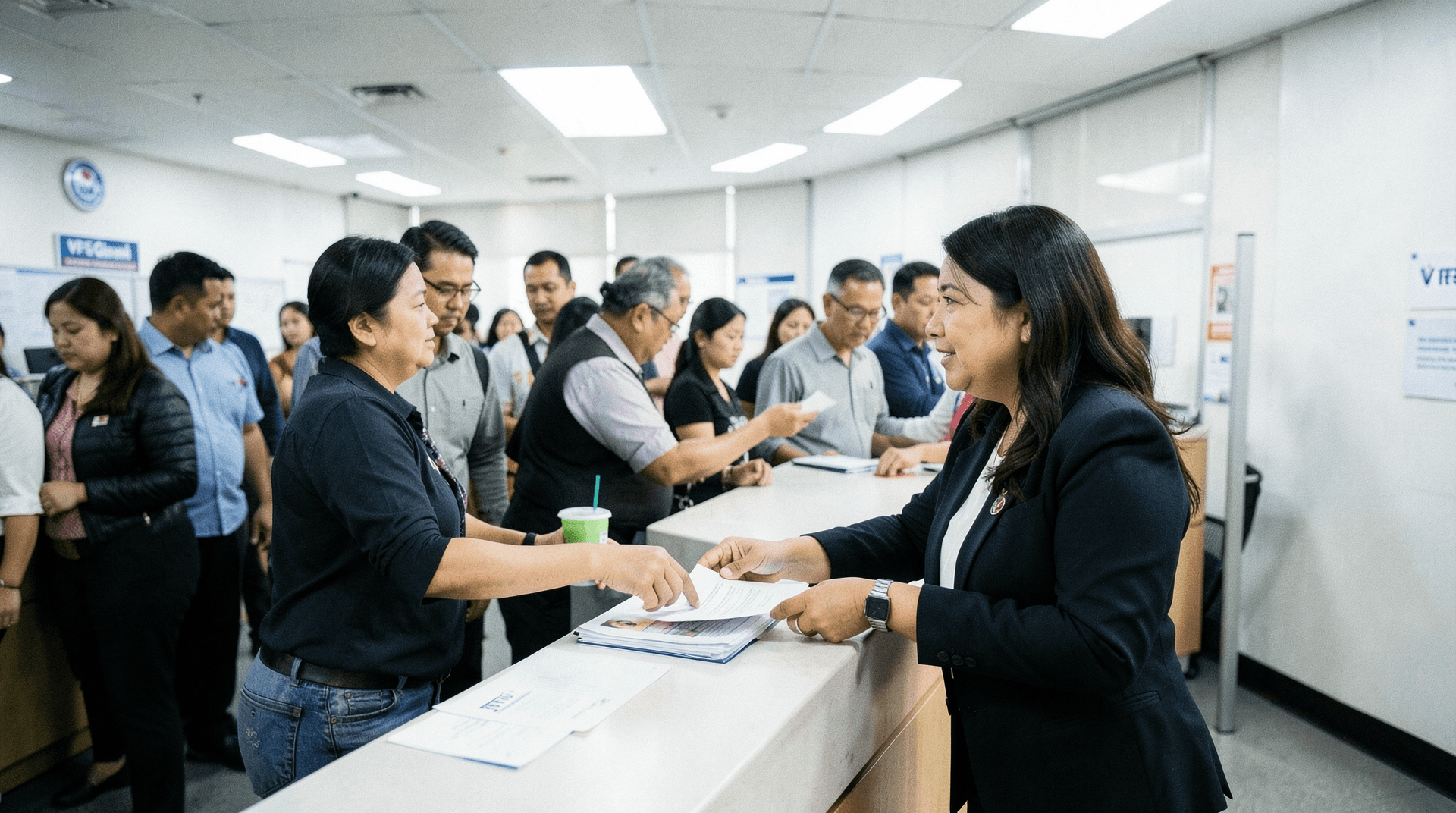
| Application Centre | VFS Global / AVAC centres across China |
Tourist Visa (Subclass 600) for Chinese Citizens
Chinese nationals need a Visitor visa (subclass 600) to travel to Australia. You're not eligible for the ETA or eVisitor systems. However, there's a significant advantage available: the 10-year frequent traveller visa.
Standard Tourist Stream
The standard visitor visa allows stays of up to 3, 6, or 12 months per visit. Requirements include:
- Valid Chinese passport (PRC) with at least six months validity
- Completed application via ImmiAccount or through an Australian Visa Application Centre (AVAC) in China
- Evidence of financial capacity — bank statements, property ownership, salary certificates
- Proof of employment or business ownership in China (hukou registration can support ties to China)
- Travel itinerary and accommodation bookings
- Health insurance coverage
The base fee is AUD $430 for a standard visitor visa. Processing typically takes 20-30 days for Chinese applicants.
10-Year Frequent Traveller Visa
This is a premium option specifically designed for Chinese passport holders. It allows multiple entries over 10 years, with each stay limited to 3 months. The cost is AUD $1,195, which makes it economical if you plan to visit Australia regularly. You can apply online through ImmiAccount.
Keep in mind: the 10-year visa doesn't guarantee entry for 10 years. Your passport still needs to be valid, and you must continue to meet health and character requirements.
ADS Group Tour Scheme
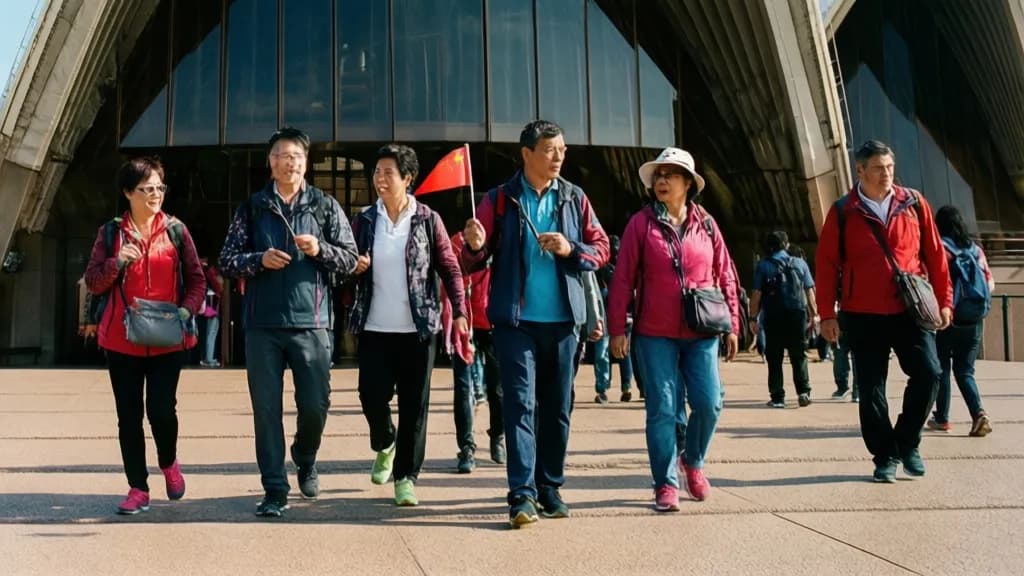
The Approved Destination Status scheme is unique to Chinese tourists. It allows organised tour groups to visit Australia through approved Chinese travel agents. The ADS stream has its own application process — your travel agent handles the visa application on behalf of the group.
ADS visas are typically granted for stays of up to 30 days. Group members must enter and leave Australia together and follow the approved itinerary. This stream has a lower refusal rate than individual applications because the tour operators are vetted and take responsibility for compliance.
Student Visa (Subclass 500) for Chinese Citizens
China has historically been the largest source of international students in Australia, though India has been competing for that position in recent years. The education sector remains a primary draw, with Chinese students favouring universities in Sydney and Melbourne.
The Genuine Student Requirement
The Genuine Student (GS) requirement replaced the old Genuine Temporary Entrant test. For Chinese applicants, this means demonstrating:
- A clear connection between your previous education and the course you're enrolling in
- How the Australian qualification will benefit your career (whether in China or internationally)
- Why you chose Australia over studying in China or another country
- Your financial circumstances and how you'll support yourself
Chinese applicants should be particularly thoughtful about explaining course choices. If you're downgrading from a master's qualification to a vocational course, or if there's a significant gap between your previous studies and the new course, expect additional scrutiny.
Financial Evidence
You need to demonstrate access to funds covering:
- AUD $29,710 per year for living costs
- Full tuition fees for the first year (or the full course if shorter)
- Return airfare to China
Acceptable evidence includes bank deposits (held for at least three months), scholarship letters, or a combination of family financial support with evidence of the relationship and the sponsor's financial capacity. Chinese applicants commonly use a combination of bank certificates (存款证明) and income proof from parents.
Cost and Processing
The application fee is AUD $710. Processing for Chinese students typically takes 4-8 weeks, though this varies based on your institution's risk rating and the quality of your application. Universities generally process faster than VET providers.
Skilled Migration for Chinese Citizens
Points-Tested Visas (189, 190, 491)
Chinese skilled workers apply through the same SkillSelect system as all other nationalities. The process involves:
- Getting a skills assessment from the relevant authority
- Submitting an Expression of Interest (EOI) in SkillSelect
- Receiving an invitation to apply (if your points are high enough)
- Lodging the full visa application
Popular occupations for Chinese skilled migrants include software engineers, accountants, civil engineers, and medical professionals. Accountants face particularly long wait times due to high demand.
English Language Considerations
English testing is often the biggest challenge for Chinese skilled migrants. The minimum for most skilled visas is competent English (IELTS 6.0 each band), but higher scores earn additional points:
- Competent (IELTS 6.0 each): 0 bonus points
- Proficient (IELTS 7.0 each): 10 points
- Superior (IELTS 8.0 each): 20 points
PTE Academic has become popular with Chinese applicants because many find the computer-based format more comfortable, and results come through faster than IELTS. Read our English language requirements guide for full details.
Employer-Sponsored Pathways
Subclass 482 — Temporary Skill Shortage
Chinese workers with employer sponsorship can access the TSS visa if their occupation is on the skilled occupation list. The employer must be an approved sponsor and must have conducted labour market testing. The medium-term stream allows stays of up to four years and provides a pathway to permanent residency.
Subclass 186 — Employer Nomination Scheme
The permanent residency pathway through employer sponsorship. Chinese workers on a 482 visa can transition to permanent residency after two years with their sponsoring employer (Temporary Residence Transition stream). The Direct Entry stream is also available with three years of relevant experience and a skills assessment.
China-Specific Documentation Requirements
Police Clearance Certificate
Chinese applicants need a certificate of no criminal conviction (无犯罪记录证明) from the local Public Security Bureau where you're registered. This must be notarised by a Chinese notary public and then authenticated by the Chinese Ministry of Foreign Affairs (or provincial equivalent) if required.
The process typically takes 2-4 weeks. If you've lived in other countries for 12 months or more since age 16, you'll need police clearances from those countries as well.
Health Examination
All Chinese applicants for visas longer than three months must complete a health examination at an approved Bupa panel clinic. Clinics operate in Beijing, Shanghai, Guangzhou, Chengdu, Fuzhou, Hangzhou, Harbin, Jinan, Kunming, Nanjing, Shenyang, Shenzhen, Wuhan, and Xi'an.
The standard examination includes:
- Chest X-ray for tuberculosis screening
- General medical examination
- Blood tests and urinalysis (for longer stays)
- HIV, Hepatitis B and C testing
You'll receive your HAP ID through ImmiAccount before attending the clinic. Results go directly to the Department of Home Affairs.
Document Translation
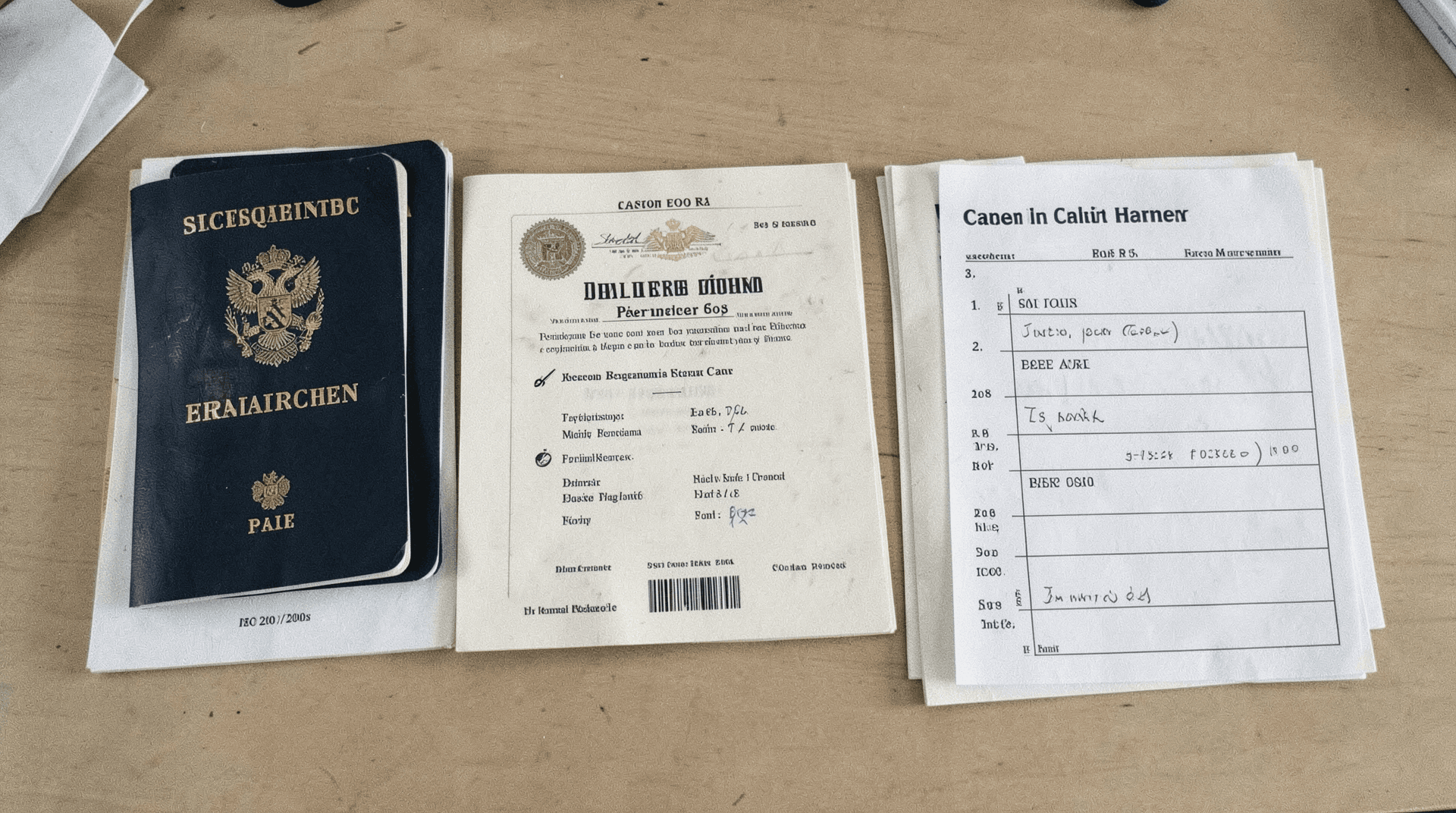
All Chinese-language documents must be translated into English by a NAATI-accredited translator (in Australia) or a certified translation service. This includes:
- Academic transcripts and degree certificates
- Employment references and salary certificates
- Bank statements and financial documents
- Marriage and birth certificates
- Hukou (household registration) if requested
Notarisation Requirements
Chinese documents typically need to be notarised by a Chinese notarial office (公证处). Common documents requiring notarisation include birth certificates, academic qualifications, and marriage certificates. Some also need authentication (认证) by the Ministry of Foreign Affairs.
Business and Investment Visas
Subclass 188 — Business Innovation and Investment
Chinese nationals have historically been the largest group of applicants for business and investment visas. The program includes several streams:
- Business Innovation stream: For people with a successful business career wanting to establish or manage a business in Australia. Turnover threshold of AUD $750,000.
- Investor stream: Requires a designated investment of AUD $2.5 million in Australia.
- Significant Investor stream: Requires AUD $5 million in complying investments. This stream has been particularly popular with Chinese applicants due to no age limit, no English requirement, and minimal residency requirements.
After meeting the requirements of your provisional visa, you can apply for the permanent subclass 888 visa.
Frequently Asked Questions
Can Chinese citizens get an ETA for Australia?
No. PRC passport holders are not eligible for the Electronic Travel Authority (ETA) or eVisitor visa. You must apply for the full Visitor visa (subclass 600). However, holders of Hong Kong SAR passports or Macau SAR passports may have different eligibility.
How long does an Australian tourist visa take for Chinese citizens?
Standard processing is 20-30 days for most Chinese applicants. During peak periods (Chinese New Year, National Day Golden Week), processing can take longer. The 10-year frequent traveller visa may take slightly longer due to additional checks.
Is the 10-year visa worth it for Chinese travellers?
If you plan to visit Australia more than twice over 10 years, the 10-year visa (AUD $1,195) is more cost-effective than applying for individual visitor visas (AUD $430 each). It also saves you the hassle of repeated applications. However, each stay is limited to three months.
Do Chinese students need IELTS to study in Australia?
Most institutions require English proficiency evidence. Minimum scores are typically IELTS 5.5-6.0 overall for undergraduate courses and 6.5-7.0 for postgraduate. PTE Academic and TOEFL iBT are also accepted. Some universities offer package deals with English language pathway courses.
What is the ADS scheme and how does it work?
The Approved Destination Status scheme is an agreement between Australia and China that allows approved Chinese travel agents to organise group tours to Australia. The travel agent handles the visa application. It's a streamlined process for group tourism, with tours typically lasting 10-21 days.
Can I extend my tourist visa while in Australia?
Yes, in most cases you can apply for a further visitor visa while in Australia. However, you cannot apply for more than one further visa while onshore if your original visa had a "no further stay" condition (condition 8503). Check your visa conditions carefully.